From the choice of materials to the precision of artisanal techniques, each object tells a story, each medina holds secrets, and each village preserves skills passed down through generations. In this guide, we will explore how Morocco reveals its deep identity through its crafts, traditions, and cultural events.
1. Moroccan crafts: a living heritage
Morocco is renowned for the richness and diversity of its crafts, which constitute one of the most authentic facets of its culture. Each region, each city, and each village has its own unique techniques, materials, and styles. Discovering Morocco through its crafts and culture allows you to explore the soul of the country through objects, gestures, and traditions that have been passed down for centuries.
1.1 Traditional trades and their history
Moroccan craftsmanship is not just an economic activity: it is a living heritage that tells the story of the Kingdom and its people. Each artisan perpetuates ancestral techniques that bear witness to the expertise passed down from generation to generation.
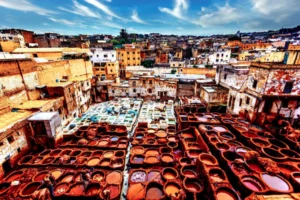
-Leather goods and leather: Fez is particularly renowned for its traditional tanneries, where leather is still dyed with natural pigments. The transformation of leather—from tanning to the manufacture of bags, slippers, or belts—is a long and complex process. Artisans combine ancestral know-how and creativity to produce pieces that are both utilitarian and artistic. Visiting the tanneries, often located in the narrow alleys of the medina, allows you to see the different stages of the process and understand the importance of this tradition in the local economy.
-Berber rugs: Handcrafted in the Atlas Mountains and in the south of the country, Berber rugs are much more than mere decorative objects. Each pattern and color tells a tribal or family story, from spiritual beliefs to historical events. Natural dyes, obtained from plants, minerals, and even cochineal insects, give the rugs unique and authentic shades. Participating in a weaving workshop allows you to understand the time and patience required to create each piece.
-Pottery and ceramics: The cities of Safi, Fez, and Meknes are famous for their pottery and ceramics featuring geometric, floral, or calligraphic patterns. Each piece is handmade, often using a traditional potter’s wheel, and decorated with precise craftsmanship. Firing and glazing follow centuries-old techniques that guarantee each object’s unique longevity and aesthetic appeal. Potters often work in family workshops, allowing visitors to discover the secrets of the craft passed down from generation to generation.
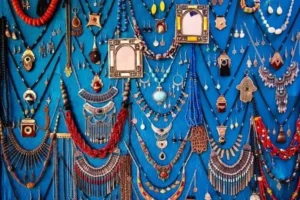
-Jewelry and goldsmithing: Moroccan jewelry, made of silver or gold, is often adorned with semi-precious stones and symbolic motifs. The techniques of engraving, inlaying, and chiseling are ancient and require great skill. Certain pieces, such as Berber brooches or traditional necklaces, tell the story of entire families and tribes.
-Woodworking and natural materials: Essaouira is renowned for its work with thuja wood, which is used to make chests, frames, boxes, and decorative furniture. In the south, argan is transformed into oil or handicrafts, representing unique expertise and a valuable local resource.
These traditional crafts are not just objects to buy: they reflect the soul of Morocco. Discovering Morocco through its crafts and culture means understanding the deep connection between people and their environment, patience, and respect for traditions.
1.2 Souks and markets: immersion in craftsmanship
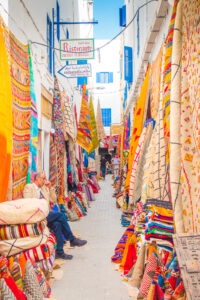
To fully immerse yourself in Moroccan craftsmanship, it is essential to visit the souks and markets in towns and villages. These vibrant places are open-air cultural centers, where the smell of spices, the bright colors of fabrics, and the sound of artisans at work create a unique atmosphere.
-Marrakech: the medina is home to specialized souks: the leather souk, the jewelry souk, the spice souk, and the textile souk. Getting lost in these narrow streets allows you to discover not only the objects but also the stories of the artisans, many of whom have been working there for several generations.
-Fez: the dyers’ souk and pottery workshops offer a lively display of craftsmanship. Visitors can observe the different stages of production and talk to the artisans about their techniques.
-Essaouira: this coastal city is famous for its artisans who work with thuja wood and argan. Workshops open to the public allow visitors to see the entire process, from raw wood to finished object.
-Small villages and rural workshops: getting off the beaten track allows you to discover lesser-known crafts, such as basket weaving, ironwork, and carpet making in remote Berber villages.
The souks are also a place where you can experience the art of bargaining, a cultural tradition that is an integral part of the experience. Participating in these exchanges allows you to experience Morocco through its crafts and culture in an authentic and enriching way.
1.3 Workshops and participatory experiences
To go beyond observation, participatory workshops are an excellent way to learn and connect with artisans.
-Pottery and ceramics: shaping a piece by hand, applying glaze, and understanding traditional firing techniques.
-Carpet weaving: learn weaving techniques and understand the symbolism of the patterns.
-Jewelry making: discover engraving, inlaying, and polishing techniques.
-Traditional cuisine: some workshops include the preparation of tagines and couscous, combining gastronomy and culinary craftsmanship.
These participatory experiences are not only educational: they allow you to feel the soul of Morocco, understand the time and effort invested in each creation, and leave with a unique souvenir made with your own hands.

2. Moroccan culture: a blend of tradition and modernity
Morocco is a country where culture can be experienced on every street corner, in every market, every palace, and every workshop. Discovering Morocco through its crafts and culture means immersing yourself in a thousand-year-old heritage while experiencing the vitality and innovation of modern cities. Ancestral traditions coexist with modernity, offering travelers a rich and complete experience.
2.1 Imperial cities: guardians of heritage
The imperial cities—Marrakech, Fez, Meknes, and Rabat—are the true guardians of Moroccan history and culture. They offer visitors the opportunity to combine visits to historic monuments with immersion in the daily life of the locals.
-Fez: A true cultural capital, Fez is the spiritual and artisanal heart of Morocco. The medina of Fez el-Bali, a UNESCO World Heritage Site, is a labyrinth of narrow streets where tanneries, pottery workshops, and colorful markets intermingle. The Bou Inania madrasa and historic mosques are examples of Islamic architectural art, while the artisan quarters offer a unique glimpse into traditional crafts that are still alive today.
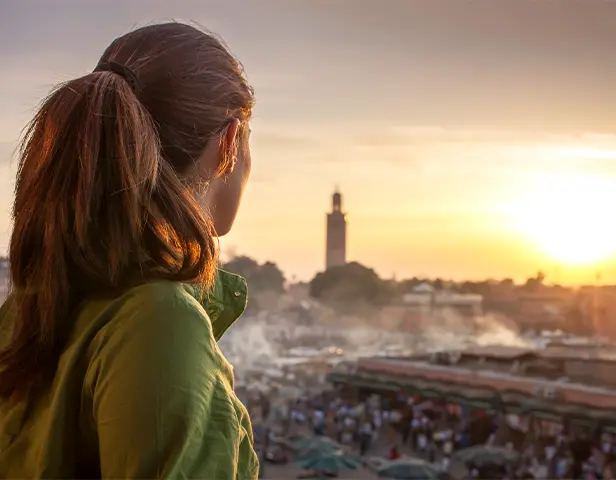
-Marrakech: Marrakech’s medina is a living labyrinth where every alleyway tells a story. Jemaa el-Fna Square is an open-air theater where storytellers, musicians, and street performers mingle. Palaces such as the Bahia Palace and the El Badi Palace reveal the splendor of Moroccan history, while museums such as the Museum of Marrakech showcase local art and traditions. The adjacent souks offer visitors the chance to discover the work of artisans firsthand: leather goods, jewelry, pottery, and textiles.
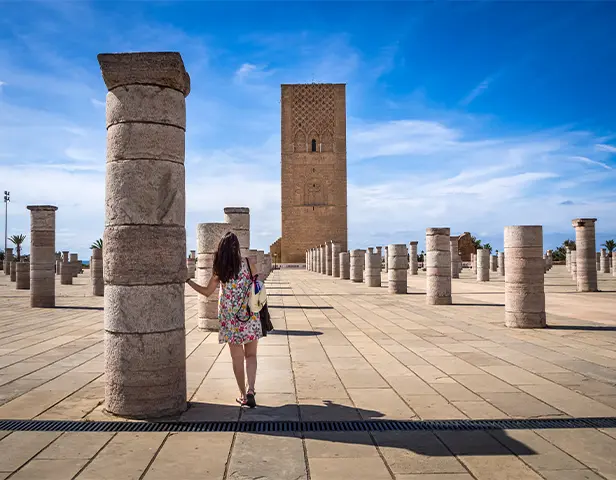
-Rabat: Rabat, the political capital, combines modernity with historical heritage. The Mausoleum of Mohammed V, the Kasbah of the Oudayas, and the Andalusian gardens are perfect examples of the fusion between tradition and modernity. The city’s museums and cultural centers showcase both contemporary Moroccan art and ancient heritage.
-Meknes: Often less crowded than other royal cities, Meknes nonetheless offers an impressive heritage with its monumental gates, palaces, and gardens. It is an ideal place to understand the history of the sultans and discover Moroccan urban life through the ages.
These cities are gateways to discovering Morocco through its crafts and culture, combining historical visits, immersion in local crafts, and exchanges with residents.
2.2 Festivals and cultural events
Moroccan festivals are an unmissable experience for exploring Morocco through its culture. They bring together music, dance, theater, cinema, and popular traditions, offering insight into the country’s rich cultural diversity.
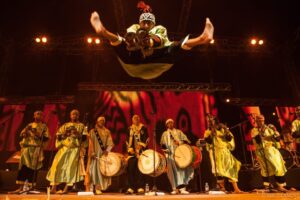
-Gnaoua Festival in Essaouira: this festival celebrates traditional Gnaoua music while inviting international artists. It is a fascinating blend of ancestral rhythms and modern sounds.
-Mawazine in Rabat: this festival is a unique gathering of Moroccan artists and musicians from around the world. It offers a comprehensive overview of music, from jazz to rock, including African and Eastern music.
-Marrakech International Film Festival: a showcase for African and world cinema, it offers an opportunity to discover Moroccan culture through the 7th art and to meet local and international directors and actors.
-These events bring Moroccan culture to life in a contemporary way, while allowing visitors to discover Morocco through its crafts and culture in an interactive and festive manner.
2.3 Gastronomy as a cultural reflection
Moroccan cuisine is an essential pillar of the country’s culture. It reflects its history, regional diversity, and ancestral know-how. Taking cooking classes, tasting traditional dishes, and exploring local markets is a direct and sensory way to experience Moroccan culture.
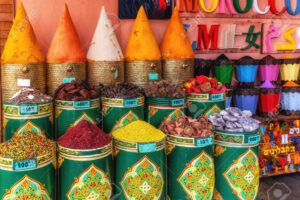
-Street food and markets: souks and local markets are places where you can discover spices, dried fruits, olives, cheeses, and traditional pastries. They also provide an opportunity to meet local producers and artisans.
-Iconic dishes: tajine, couscous, pastilla, harira, and méchoui are must-try dishes. Each region of Morocco offers its own variations, incorporating local ingredients and traditional cooking techniques.
-Street food and markets: souks and local markets are places where you can discover spices, dried fruits, olives, cheeses, and traditional pastries. They also provide an opportunity to meet local producers and artisans.
-Participatory culinary experiences: some workshops allow you to prepare typical dishes yourself under the guidance of a local chef or in a traditional riad. These experiences provide an insight into the role of food in everyday life and Moroccan celebrations.
Gastronomy, like craftsmanship, is a powerful way to discover Morocco through its crafts and culture, as it engages all the senses and tells a unique story with every bite.
3. Discover Morocco through its regions
Morocco is a country of geographical and cultural contrasts. Each region has its own traditions, crafts, and expertise. Discovering Morocco through its crafts and culture involves traveling to these different regions to understand the diversity and richness of Morocco’s heritage.
3.1 Northern Morocco: between sea and traditions
Northern Morocco, including cities such as Tangier, Tetouan, and Chefchaouen, is a crossroads between the Mediterranean and the Atlantic, between European influences and Moroccan heritage.
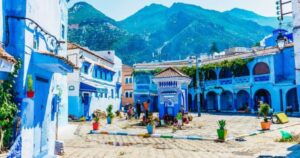
-Chefchaouen: famous for its blue houses and mountainous landscapes, this city also offers a wealth of crafts: Berber carpets, pottery, and local jewelry. The craft markets are an ideal place to discover the local culture and interact with the locals.
-Tangier: a cosmopolitan port city where wood, leather, and ceramic crafts are highly developed. Tangier’s medinas offer an immersion into daily life and local markets, where you can meet artisans at work.
-Tetouan: Listed as a UNESCO World Heritage Site, the city is known for its mosaic workshops, tanneries, and traditional textiles. The narrow streets of the medina offer a glimpse of artisans crafting unique objects, while visitors can discover Andalusian architecture and local traditions.
Northern Morocco offers visitors the opportunity to discover Morocco through its crafts and culture, combining centuries-old traditions with Mediterranean influences.
3.2 The Atlas Mountains and the South: Berber villages and desert crafts
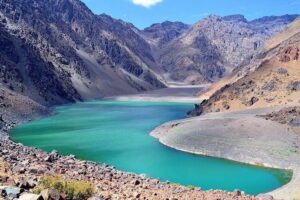
The Atlas Mountains and southern regions offer an immersion into Berber traditions and the Sahara Desert, where craftsmanship and culture are deeply rooted.
-Berber villages: The villages of the Atlas Mountains are famous for their carpet and textile weaving, pottery, and traditional jewelry. The inhabitants continue to perpetuate craft techniques that have been passed down for centuries. Visiting these villages allows you to watch the objects being made and talk to the artisans about their craftsmanship.
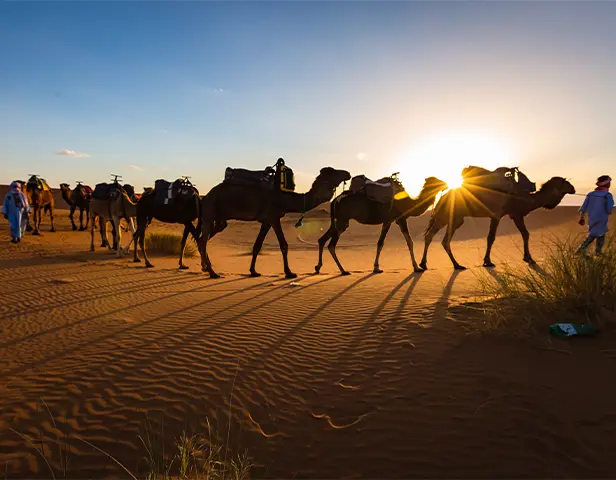
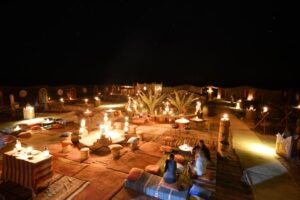
-The Sahara Desert: Beyond its spectacular landscapes, the desert is a place to discover unique handicrafts, such as nomadic rugs, silver jewelry, and leather goods. Desert camps also offer authentic cultural experiences, with traditional music, storytelling, and meals shared with locals.
These regions offer an immersive way to discover Morocco through its crafts and culture, combining natural adventures and human encounters.
3.3 The Moroccan coast: crafts and lifestyle
Morocco‘s coastal cities, such as Essaouira, Agadir, and Larache, reflect the cultural and artisanal identity of the coastline.
-Agadir: more modern, it offers seafood-based cuisine, craft markets, and workshops to discover local techniques.
-Essaouira: known for its cedar wood, silver jewelry, and fish markets. The medina, a UNESCO World Heritage Site, is a veritable living museum where local artisans and artists rub shoulders.
-Larache and other coastal villages: these villages offer a glimpse into coastal craft techniques such as basket weaving, pottery, and leatherwork, while allowing visitors to experience the Moroccan way of life through cuisine, festivals, and local traditions.
Each coastal region shows that discovering Morocco through its crafts and culture is not limited to large cities or the desert, but extends to the villages and unique traditions of the coastline.

4. Responsible travel through crafts and culture
Traveling to Morocco is not only a visual and sensory experience: it is also an opportunity to immerse yourself in the local culture while practicing responsible tourism. Discovering Morocco through its crafts and culture means respecting traditions, supporting the local economy, and preserving the environment so that future generations can enjoy this unique heritage.
4.1 Respecting traditions and communities
Responsible travel begins with understanding and respecting local customs. Morocco is a country with deeply rooted cultural codes, and travelers are encouraged to observe certain rules in order to enjoy an authentic experience:
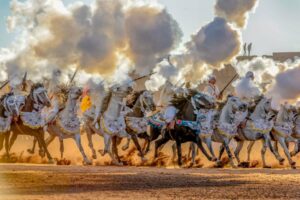
-Observing local rituals and celebrations: festivals, weddings, and religious ceremonies are special occasions for understanding Moroccan culture, provided you experience them with sensitivity and respect.
-Dress codes: wear modest clothing, especially in medinas, Berber villages, and places of worship. This shows respect for the locals and their traditions.
-Respectful interactions: ask permission before photographing people, participate in local ceremonies with discretion, and learn about appropriate behavior in each region.
Respecting local traditions not only allows you to discover Morocco through its crafts and culture, but also to forge genuine bonds with the communities you encounter.
4.2 Supporting the local economy
Traveling responsibly also means contributing to the support of the local economy and the preservation of artisanal skills:
-Buy directly from artisans: rugs, jewelry, pottery, or textiles. This ensures that income goes back to the creators and promotes their work.
-Choose family-run accommodations: riads, guesthouses, or small inns support local families and offer a more immersive experience than a standard hotel.
-Choose local guides: experienced guides know the history, legends, and craft techniques, and allow for complete immersion in Moroccan culture.
These practices encourage travelers to discover Morocco through its crafts and culture while having a positive impact on local communities.
4.3 Sustainable and eco-friendly tourism
Morocco offers a variety of landscapes—mountains, deserts, coastline—that require an environmentally friendly approach. Sustainable tourism allows these unique places to be preserved while enjoying authentic experiences:
-Eco-friendly tours: hiking in the Atlas Mountains, camping in the desert while respecting nature, responsible excursions along the coast.
-Local consumption: choose food products, crafts, and souvenirs from short supply chains and local producers.
-Reducing environmental impact: limiting plastic use, using public or shared transportation, and choosing eco-friendly accommodations.
By adopting these practices, every traveler can discover Morocco through its crafts and culture in a conscious, immersive, and respectful way, transforming their stay into an enriching and sustainable experience.
Morocco is much more than just a tourist destination: it is a country where every traveler can enjoy a rich, authentic, and unforgettable experience. With its imperial cities steeped in history, colorful souks, artisan workshops, and diverse natural landscapes, the Kingdom offers a unique immersion in the craftsmanship and culture that sets it apart from the rest of the world.
By visiting Marrakech, Fez, Rabat, or Meknes, strolling through the medinas, and participating in craft workshops, every traveler can truly discover Morocco through its crafts and culture, while creating lasting memories. Excursions to the desert, the Atlas Mountains, and the coastal regions complete this experience by offering a fascinating contrast between tradition and nature, modernity and authenticity.
Responsible travel also supports local communities and preserves unique skills for future generations. Buying directly from artisans, choosing family-run accommodations, and participating in sustainable tours enriches the travel experience while having a positive impact on the local economy.
Finally, thanks to the diversity of accommodation, transportation, and activities, Morocco caters to all budgets and travel styles. Whether you choose an organized tour or an independent itinerary, every moment is an opportunity to discover Morocco through its crafts and culture.
In short, Morocco is a land where the past meets the present, where craftsmanship tells ancestral stories, and where culture can be experienced on every street corner. Prepare for your trip, let your curiosity and sense of wonder guide you, and set off to discover a country that will remain etched in your memory forever.