Few cuisines in the world can match the richness, diversity, and depth of flavor found in Moroccan cuisine. The result of centuries of cultural exchange, Moroccan cuisine is a true blend of Berber, Arab, Andalusian, Mediterranean, and even French traditions. Each dish tells a story, that of the caravan routes of the Sahara, the bustling spice markets and the skills passed down from generation to generation. Discovering Moroccan recipes is much more than just cooking: it is immersing yourself in a culture where every meal is a celebration of sharing, hospitality and heritage.

Moroccan cuisine is colorful, fragrant, and deeply symbolic. Spices such as saffron, cumin, cinnamon, and paprika are used not only for their flavor, but also to create balance and harmony. Meals are often shared from a large communal dish, such as couscous or tagine, symbolizing unity and conviviality. From msemen pancakes eaten on the street to the delicate layers of a pastilla, Moroccan cuisine reflects both the simplicity of everyday life and the sophistication of grand celebrations.

For travelers and food lovers alike, discovering Moroccan cuisine is discovering a way of life. Each recipe is an invitation to experience the warmth of Moroccan hospitality, savor flavors shaped by history, and bring the soul of Morocco into your own kitchen. On this culinary journey, let’s discover iconic dishes, regional specialties, and a few tips for recreating the authentic flavors of Morocco at home.

The Essence of Moroccan Cuisine: The Must-Haves

Exploring Moroccan cuisine means delving into recipes that have been perfected over centuries. Each dish has its own identity, history, and harmony of flavors that make Moroccan cuisine unforgettable.

Couscous – The Iconic Dish

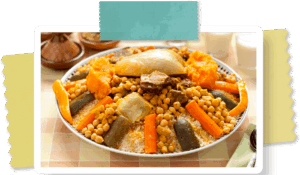
Couscous is undoubtedly Morocco’s most famous dish. Traditionally steamed over a meat and vegetable stew, it comes in an infinite number of regional variations. In the north, it is often prepared with seafood, while in the Atlas Mountains, it is accompanied by seasonal vegetables, chickpeas, and lamb. Learning how to make authentic couscous means understanding the soul of Moroccan cuisine.

Tajine – The Magic of Slow Cooking

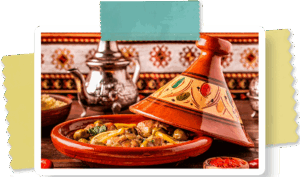
The tagine refers both to the conical earthenware dish and the dish it contains. It is the very symbol of Moroccan cuisine, where sweet and savory flavors blend harmoniously: chicken with preserved lemons and olives, lamb with prunes and almonds, or kefta with eggs. Slow cooking allows the spices to blend subtly, resulting in tender and flavorful dishes.

Pastilla – The Alliance of Sweet and Savory

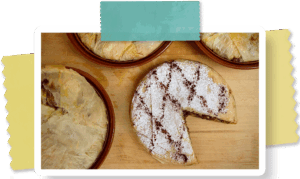
A true culinary masterpiece, pastilla showcases the refinement of Arabic, Andalusian, and Jewish influences. This puff pastry pie combines shredded chicken or pigeon, almonds, cinnamon, and powdered sugar. Served on special occasions, it embodies the Moroccan art of transforming simple ingredients into a sophisticated and festive creation.

Harira – The Traditional Soup

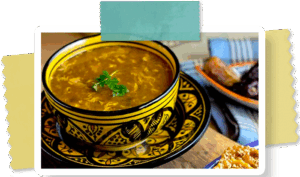
Harira is a hearty soup made with tomatoes, lentils, chickpeas, and tender meat, flavored with herbs and spices such as coriander and cinnamon. It holds a special place during Ramadan, when it is served to break the fast. Preparing an authentic harira is a way to learn about daily life and traditions in Morocco.

Moroccan Sweets and Pastries

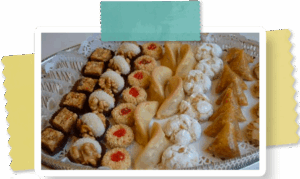
Moroccan desserts, often made with almonds, honey, and orange blossom water, are both rich and refined. Among the must-try desserts are chebakia, a fried pastry coated in honey and sesame seeds, and almond briouates. These sweet treats symbolize conviviality and the art of hospitality, and are always served with mint tea during celebrations and family gatherings.

Regional Flavors: Discovering Morocco’s Culinary Delights

Moroccan cuisine varies from region to region, shaped by climate, geography, and local history. Each area has its own signature products and unique culinary traditions.

The North – Mediterranean Flavors

In northern cities such as Tangier, Tetouan, and Chefchaouen, the cuisine is largely inspired by Mediterranean flavors. Fresh fish, olive oil, and aromatic herbs dominate the dishes. Chermoula, a mixture of coriander, garlic, cumin, and paprika, flavors grilled meats and fish dishes. Almond pastries and honey sweets are reminiscent of the Andalusian heritage.

The Center – Mountains and Traditions of Tajine

In the regions of Marrakech, Fez, and Meknes, tagines reign supreme. These slow-cooked dishes made with meat, vegetables, and dried fruit reflect the richness of the local markets, where spices abound. Couscous also plays a central role, often served with mountain vegetables and tender lamb. Marrakech, with its colorful souks, is considered the beating heart of Moroccan cuisine.

The South – Flavors of the Desert and Oases

In the south, in Saharan regions such as Zagora and Merzouga, recipes are adapted to desert life: simple, nutritious dishes that are easy to preserve. Berber bread, dates, dried fruit, and tagines with preserved lemon are staples here. Meals are shared in a spirit of hospitality, accompanied by the traditional tea ritual.

The Coast – Fresh Seafood

Along the Atlantic and Mediterranean coasts, particularly in Essaouira and Agadir, the cuisine features fish and seafood. Fish tagines, grilled dishes flavored with preserved lemon and saffron, and spicy sardine sandwiches are all popular. These seafood dishes combine simplicity and freshness, typical of the coastal lifestyle.

The East – Between Mountains and Oases

In the east, around Oujda and Jerada, the cuisine combines mountain and Saharan influences. Lamb tagines with apricots or almonds are common, as are breads baked in clay ovens. Pastries flavored with orange blossom and almonds complement a generous and delicate gastronomy.

Tips for Cooking Moroccan Food at Home

Recreating the flavors of Morocco at home is a pleasure that anyone can enjoy, provided they use the right ingredients and techniques.

Have the Essential Ingredients

Spices are at the heart of Moroccan cuisine: saffron, cumin, paprika, cinnamon, turmeric, and ginger. Preserved lemons, olives, and argan oil are also essential. Add fresh herbs such as cilantro, parsley, and mint to enhance your dishes.

Using Traditional Utensils

A tagine or couscous pot allows you to recreate authentic flavors, but a heavy casserole dish or steamer basket will also do the trick. Using these traditional utensils also helps preserve Morocco’s artisanal cooking methods.

Mastering Layers of Flavor

Moroccan cuisine is based on a gradual build-up of flavor: sauté onions and garlic, add spices, then add meat, vegetables, and dried fruit. Preserved lemons, olives, and dried fruit are often added at the end of cooking to preserve their texture.

Take Time

Slow cooking is a virtue in Moroccan cuisine. Simmering tagines, steaming semolina several times, or gently frying pastries guarantees results that are rich in flavor and texture.

Exploring Regional Variations

Each region of Morocco has its own secrets: fish tagine in the north, sweet couscous in the south, pastilla in the center… Don’t hesitate to experiment to enrich your culinary repertoire.

Accompanying Meals with Moroccan Beverages

Mint tea is, of course, a must, symbolizing hospitality and conviviality. You can also enjoy fresh orange juice, spiced coffee, or homemade almond milk to accompany your meals.

Invite Morocco into Your Kitchen

Discovering Moroccan cuisine is like embarking on a sensory and cultural journey. From tagines in Marrakech to pastries in Fez, each recipe evokes a way of life where hospitality and tradition blend harmoniously. Cooking these dishes at home brings a little bit of Morocco to your table, sharing its aromas, warmth, and spirit.

Best Travel Theme

Elementor Demos

With Love Travel WordPress Theme you will have everything you need to create a memorable online presence. Start create your dream travel site today.

Discover the World, one Full Adventure at a Time!

Our Contacts

Address

1080 Brickell Ave - Miami

United States of America

Email

info@travel.com

Phone

Travel Agency +1 473 483 384

Info Insurance +1 395 393 595

Follow us