In this guide, we will explore all aspects to ensure a complete and successful stay, whether you are passionate about history, an adventure lover, a foodie, or simply looking for relaxation and authentic discoveries.
1. The essentials for a successful trip to Morocco
- Imperial cities and their heritage
Morocco is famous for its four imperial cities: Marrakech, Fez, Rabat, and Meknes. These cities are the historical and cultural heart of the Kingdom and offer a complete immersion in Morocco’s rich heritage. Each city has its own unique identity and tells a part of the country’s history.
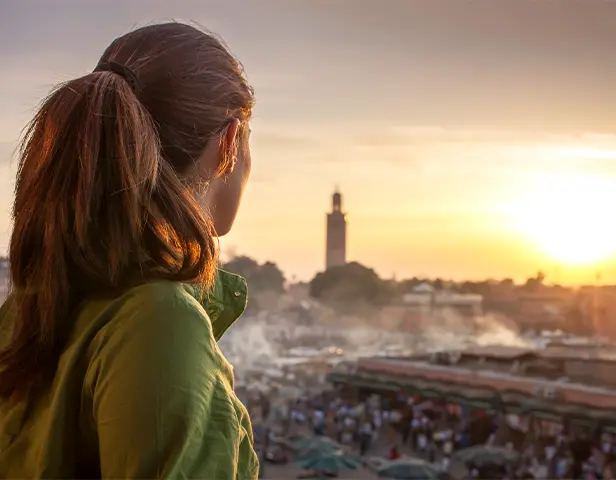
Marrakech: Nicknamed the “red city,” Marrakech is a veritable open-air museum. The medina, a UNESCO World Heritage Site, is full of lively alleys, specialized souks, and majestic palaces such as the Bahia Palace. Jemaa el-Fna Square is the city’s focal point, where storytellers, snake charmers, and musicians mingle with spice stalls and traditional street food vendors. Gardens such as Majorelle add a touch of serenity and color to this vibrant city.
-Fez: Morocco’s spiritual capital, Fez is the center of traditional crafts and ancestral know-how. Its medina, one of the largest pedestrian urban areas in the world, is a fascinating labyrinth of narrow streets, mosques, and madrasas. Visitors can explore the famous tanneries, watch ceramics and textiles being made, and lose themselves in the pottery market. Fez offers an authentic and memorable immersion into Morocco through its crafts and culture.
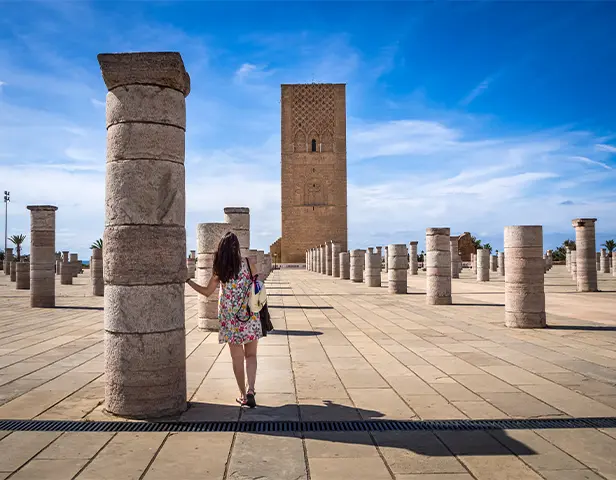
-Rabat: Morocco’s political capital combines modernity and tradition. The Mohammed V Mausoleum, Hassan Tower, and Kasbah of the Udayas are iconic sites that reflect the country’s history and architectural heritage. Rabat also offers wide modern avenues, contemporary museums, and green spaces that contrast with the traditional medinas.
Meknes: Less crowded but just as fascinating, Meknes is known for its monumental gates, ramparts, and historic palaces. The city was the capital during the reign of Moulay Ismail and retains a royal charm that appeals to history buffs. Its royal stables and grain market bear witness to the city’s prosperous past.
These imperial cities are essential stops for a successful trip to Morocco, allowing visitors to combine historical discovery, local crafts, and cultural immersion.
- Natural landscapes
Morocco is also famous for the diversity and beauty of its natural landscapes. Each region offers unique experiences that make the country a destination of choice for all types of travelers.
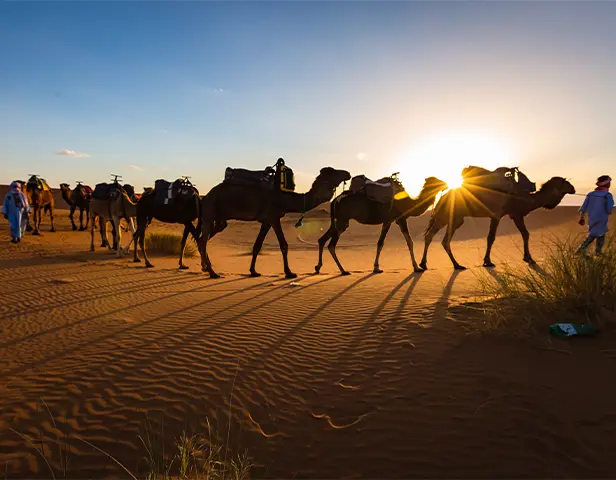
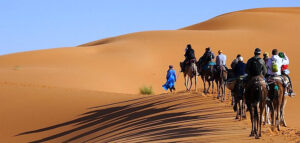
-Sahara Desert: Exploring the Sahara is an unforgettable experience. The golden dunes offer a breathtaking spectacle at sunrise and sunset. Camel treks allow you to discover the desert in the traditional way, while spending a night in a bivouac under the stars offers a moment of connection with nature and the impressive silence of the desert.
-Atlas Mountains: The Atlas Mountains offer ideal terrain for hikers and nature lovers. Traditional Berber villages provide an opportunity to discover the authentic lifestyle of the inhabitants and their crafts. Spectacular panoramas, waterfalls, and green valleys make this region a must-see for a successful trip to Morocco.
-Atlantic and Mediterranean coasts: Morocco’s beaches are perfect for sun worshippers, surfers, and those seeking relaxation. Cities such as Essaouira and Agadir offer a blend of local traditions and modern activities, from typical fishing villages to modern seaside resorts. The local seafood cuisine completes this sensory immersion.
1.3 Crafts and local culture
To truly discover Morocco through its crafts and culture, it is essential to immerse yourself in traditional practices and visit the places where these skills are still alive today.
-Berber rugs, ceramics, and pottery: Each handcrafted object tells a story, whether it be symbolic patterns on a rug or traditional shapes in ceramics. These creations reflect traditions that have been passed down for centuries.
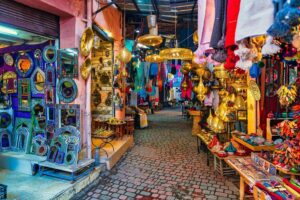
-Markets and souks: Moroccan souks are the vibrant heart of cities. In Marrakech, you can explore souks specializing in different crafts, in Fez you can discover the dyers’ souk, and Essaouira is famous for its thuja wood and argan products. These markets offer the opportunity to meet passionate artisans and understand the history behind each product.
-Moroccan cuisine: Moroccan cuisine is a true art of living. Taking part in cooking classes and sampling tagine, couscous, pastilla, and mint tea provides a complete sensory experience. Local markets are brimming with spices, dried fruits, and artisanal food products, offering total immersion in Moroccan culinary culture.
2. Tips for preparing for your trip
For a successful trip to Morocco, good preparation is essential. Whether you are an organized traveler or an adventurer, knowing the best times to visit, how to organize your trip, and your accommodation options will allow you to fully enjoy your stay.
- When to go
Morocco can be visited all year round, but the choice of season depends on the activities and regions you wish to explore.
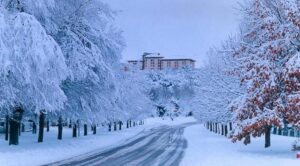
-Winter: The winter season is a great time to explore the Sahara Desert under clear, starry skies and enjoy the ski resorts in the Atlas Mountains. Marrakech and Fez remain pleasant to visit thanks to their moderate climate.
-Spring and fall: Temperatures are pleasant and the landscapes are green. This is the ideal season to explore the imperial cities, hike in the Atlas Mountains, or visit Berber villages without suffering from the heat.
-Summer: Perfect for enjoying the Atlantic and Mediterranean beaches. Cultural festivals, such as the Gnaoua Festival in Essaouira or Mawazine in Rabat, take place during this period. It is advisable to choose coastal cities for a milder climate.
-Practical tip: Avoid the heat waves of July and August in the interior of the country if you want to explore the mountains or the desert.
- How to organize your trip
The organization of your stay plays a key role in the success of your trip to Morocco.
Organized trip
-Organized tours allow you to maximize your time and discover all of Morocco’s must-see attractions without stress.
-Itineraries often include imperial cities, the desert, the Atlas Mountains, and the coast, with local guides to enrich the experience.
-Transportation and accommodations are planned, which is ideal for families or travelers who want a structured trip.
Independent travel
-Traveling independently offers more freedom and the opportunity to immerse yourself in the local culture.
-Exploring the souks, participating in craft workshops, or meeting the locals becomes easier and more authentic.
-It is advisable to plan a flexible itinerary and find out about local transportation (trains, buses, taxis, car rentals).
Practical tip: A combination of both options is often ideal—an organized tour for certain key stages and free time for personal exploration.
- Budget and accommodations
Morocco offers a variety of options for all budgets, allowing everyone to enjoy their stay to the fullest.
Hostels and guesthouses
-Ideal for those on a budget or travelers seeking authenticity.
-They offer a family atmosphere and direct contact with the locals.
-Average price: €15 to €40 per night.
Traditional riads
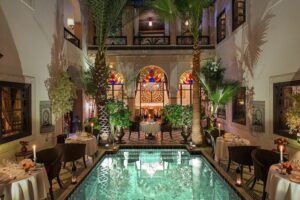
-Located in the heart of the medinas, riads combine authenticity and comfort.
-Traditional Moroccan decor, interior patios, and personalized service.
-Average price: €50 to €120 per night.
Luxury hotels and resorts
-For those who wish to enjoy high-end services while exploring the country.
-Spa, swimming pool, gourmet restaurants, and organized excursions.
-Average price: €150 and above per night, depending on the season and location.
Practical tip: Booking in advance allows you to get better rates, especially during peak season. Comparing reviews and choosing establishments that support the local economy enhances the authentic experience.
3. Responsible and sustainable travel in Morocco
Discovering Morocco responsibly allows you to fully enjoy its riches while preserving its cultural, natural, and human heritage. Sustainable travel is a commitment that transforms the travel experience into a respectful and memorable adventure.
- Respect local customs
Le Maroc est un pays où les traditions et les codes sociaux sont profondément enracinés. Pour vivre un voyage authentique et enrichissant, il est essentiel de respecter ces coutumes
-Dress codes: modest clothing is preferred, especially when visiting religious sites and villages. Shoulders and knees must be covered, particularly for women.
-Behavior and politeness: greet people respectfully, avoid touching religious objects, ask permission before taking photos of locals.
-Participation in traditions: attending local ceremonies, sampling typical dishes, and participating in craft workshops with respect for ancestral practices.
Respecting these aspects not only guarantees an immersive experience, but also promotes positive interactions with local communities.
- Supporting the local economy
Responsible travel also means contributing directly to the development of Moroccan communities. Here’s how:
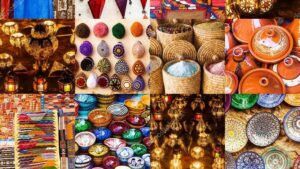
-Buy from local artisans: rugs, pottery, jewelry, and leather goods are often handmade using traditional techniques. By supporting artisans, you are helping to preserve their craftsmanship.
-Choose local guides: they have in-depth knowledge of the history and culture of their region and enrich the traveler’s experience while benefiting economically from tourism.
-Stay in family-run accommodations or authentic riads: this allows you to directly support local families rather than relying solely on large hotel chains.
-Practical tip: choose tours and experiences that include local crafts and culinary activities to maximize the benefits for the community.
- Eco-friendly and sustainable tourism
Morocco offers a diversity of natural landscapes—desert, mountains, valleys, forests, and coastline—that must be protected. Eco-friendly travel includes:
-Choose sustainable tours: opt for excursions that respect the environment, limit waste, and minimize the impact on natural sites.
-Consume locally and responsibly: neighborhood restaurants, seasonal products, and local markets help reduce your carbon footprint and support the local economy.
-Respect nature: do not leave trash in the desert, follow marked trails in the mountains, and avoid disturbing local wildlife.
Sustainable tourism ensures that Morocco will remain a destination of choice for future generations, while offering a more authentic and respectful experience.
Morocco is a country rich in unique experiences, where every activity offers a chance to discover its many facets. Whether you are passionate about culture, an adventure seeker, or a nature lover, the Kingdom offers a range of memorable experiences. Here are the must-see attractions to make the most of your trip.
- Culture and crafts
Discovering Morocco through its culture and crafts is an immersive journey into the heart of the Moroccan soul:
-Museums and historical monuments: visiting museums such as the Museum of Marrakech or the Dar Batha Museum in Fez provides insight into the history and evolution of Moroccan craftsmanship over the centuries.
-Craft workshops: take part in sessions on Berber carpet weaving, traditional pottery, jewelry making, or even tajine cooking and local pastry making. These workshops allow you to learn ancestral techniques while creating your own unique souvenir.
-Souks and markets: strolling through the souks of Marrakech, Fez, or Essaouira is an unmissable experience. Each alleyway offers a different sensory experience: the smells of spices, the colors of textiles, the sounds of artisans at work. These places reflect Morocco’s artisanal and cultural identity.
Participating in these cultural experiences allows you to discover Morocco through its crafts and culture in an authentic and enriching way.
- Nature and adventure
Morocco is not only a country of culture and history, it is also a destination for adventure and spectacular landscapes:
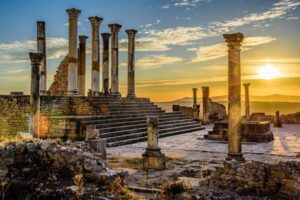
-Atlantic and Mediterranean coasts: surfing in Taghazout, relaxing on the beaches of Agadir, or exploring the fishing villages along the coastline are great ways to combine adventure and relaxation. Water sports and seaside activities are also very popular with families and young travelers.
-Sahara Desert: Enjoying a camel ride through the golden dunes and spending a night camping under the starry sky is an unforgettable experience. The desert landscapes offer a unique sense of calm and beauty.
–Atlas Mountains: hiking in the Atlas Mountains allows you to discover authentic Berber villages, impressive panoramas, and hidden waterfalls. Trekking enthusiasts will find trails here to suit all levels.
These experiences show how Morocco’s natural beauty blends perfectly with adventure, offering memorable experiences at every stage of the journey.
4.3 Festivals and events
Festivals and cultural events are an opportunity to discover Morocco from a different perspective, where tradition and modernity meet:
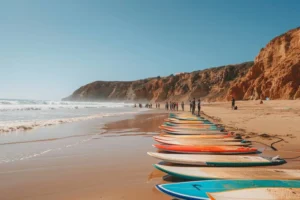
-Gnaoua Festival in Essaouira: traditional Gnaoua music and modern fusions. Concerts, workshops, and activities offer a unique musical experience.
-Mawazine in Rabat: this international music festival brings together Moroccan artists and musicians from around the world, offering an exceptional cultural mix.
-Marrakech International Film Festival: a showcase for African and international cinema, this event attracts film lovers and provides an opportunity to discover local and international talent.
Participating in these festivals enriches your trip and allows you to immerse yourself in Morocco’s contemporary cultural life, while remaining connected to its traditional roots.
Transportation in Morocco: how to get around easily
Getting around Morocco is an essential part of a successful trip, especially if you want to explore the cities, desert, mountains, and coastline. The Kingdom has a varied transport network that allows you to travel comfortably and efficiently. Here is a detailed guide to help you plan your trips.
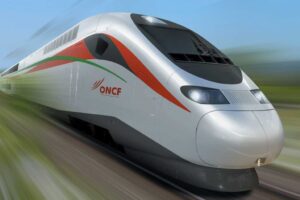
- Trains and Al Boraq high-speed trains
Morocco has a modern rail network connecting the country’s main cities: Casablanca, Rabat, Fez, Marrakesh, Tangier, and Oujda.
-Al Boraq high-speed train: connects Tangier to Casablanca in just 2 hours, offering speed, comfort, and safety.
-Conventional trains: serve secondary cities and allow you to travel at an affordable price while admiring the scenery.
-Practical tips: book tickets in advance, choose daytime trains to enjoy the scenery, and select comfort classes for a pleasant journey.
- Buses and taxis
To travel within cities or between regions that are less accessible by train:
-Intercity buses: Companies such as CTM and Supratours provide comfortable travel between major cities and tourist destinations.
-Taxis: Red taxis (urban) and large taxis (interurban) are convenient for short trips or for visiting nearby villages.
-Tips: Always negotiate the fare for large taxis before departure and choose official taxis for safety reasons.
- Car rental and organized tours
Renting a car is an attractive option for independent travelers:
-Car rental: allows you to freely visit remote areas such as the Atlas Mountains or the Sahara Desert.
-Organized tours: for those who prefer safety and peace of mind, agencies offer complete itineraries with transportation included.
-Practical tips: check your insurance, prepare a GPS or navigation app, and obey local traffic laws.

- Tips for saving time and traveling comfortably
-Plan your trips in advance by combining train, bus, and car rental.
-Plan breaks in cities or tourist sites to fully enjoy the scenery.
-Always carry water, snacks, and a small guidebook with you so you don’t miss any of the must-see sights.
Traveling in Morocco is made easy and enjoyable thanks to an efficient combination of modern trains, buses, taxis, and organized tours, allowing every visitor to take full advantage of their practical guide for a successful trip to Morocco.
Consectetur adipiscing elit. Ut elit tellus, luctus nec ullamcorper mattis, pulvinar dapibus leo.
Thanks to this practical guide for a successful trip to Morocco, you are now ready to plan your stay with complete peace of mind. Whether you choose an organized tour to make the most of your time or an independent trip for more freedom, Morocco always has something to offer: authentic crafts, delicious cuisine, breathtaking landscapes, and warm encounters with the locals.
Traveling to Morocco also means learning to respect its traditions, supporting the local economy, and embracing responsible tourism. By combining comfort, adventure, culture, and local immersion, you will enjoy a complete and memorable trip.
In summary, following this practical guide for a successful trip to Morocco will allow you to discover all facets of the country, fully enjoy each experience, and leave with unforgettable memories. Morocco is waiting for you to reveal its wonders, combining authenticity and modernity.